



Learn how our 20TPH UF ultrafiltration water purification system solved unstable raw water issues for a food factory. Get stable qualified process water, less downtime and lower operating costs for food production.
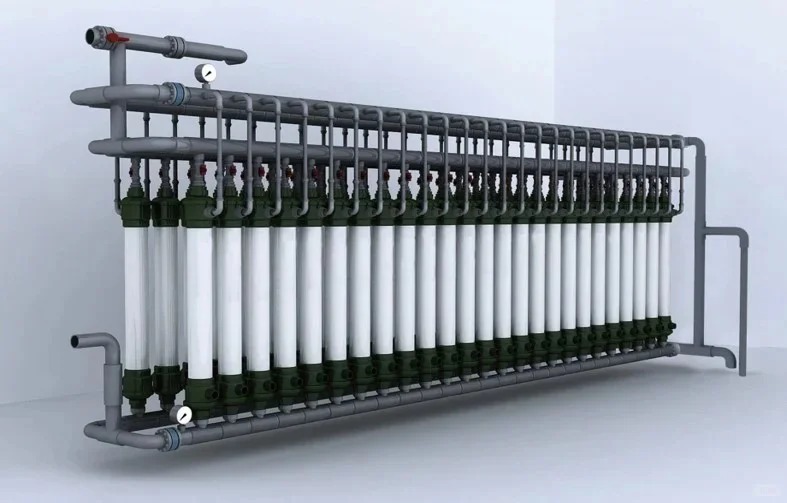
A food factory was troubled by fluctuating raw water quality with excessive sediment, colloids and microorganisms. These impurities easily clogged production pipelines and processing equipment, leading to frequent cleaning work and unexpected downtime. There were also hidden food‑safety risks caused by sub‑standard process water. Meanwhile, the factory required large‑volume stable water supply for continuous production, which simple traditional filters failed to deliver, and manual maintenance was labor‑intensive. To solve these problems, a 20 tons per hour ultrafiltration water purification system was deployed. Equipped with multimedia filter, activated carbon filter, security filter and UF membrane modules, the system comes with automatic back‑wash function. It effectively intercepts suspended solids, colloids and bacteria to produce qualified process water for food production. It ensures stable 20TPH continuous water output, cuts manual maintenance costs, protects downstream production equipment and reduces unplanned shutdowns. It also avoids product quality risks triggered by poor water quality. Compared with reverse osmosis technology, it features lower energy consumption and operating cost, making it well‑suited for long‑term large‑scale production in food plants.